
Every summer, pools and beaches fill with folks looking to cool off. Behind the fun and splashing, trained professional keep a sharp watch over swimmers’ safety. These water guards go through hard training before they can protect others. A lifeguard course gives the key skills to stop drowning and handle emergencies. The training turns everyday folks into sure-footed rescuers ready for crisis moments. Past the physical work, students gain sharp eyes and fast thinking skills. Knowing what lifeguard training involves helps those who want to start this rewarding path. This guide shares all you need to become a certified water safety professional.
What is a Lifeguard Course?
A lifeguard course mixes book learning with hands-on rescue skills. Students learn to spot drowning risks before they turn into big problems. The training covers water rescues, first aid, CPR, and how to handle spine injuries. Teachers show how to scan the water well while keeping an eye on all swimmers. Class time covers legal duties, how to talk to others, and plans for emergencies. Physical work builds the strength needed for rescues when stress is high. Finishing the course gives lifeguard certification, which lets you work at pools, beaches, and water parks.
1. Main Parts of Training
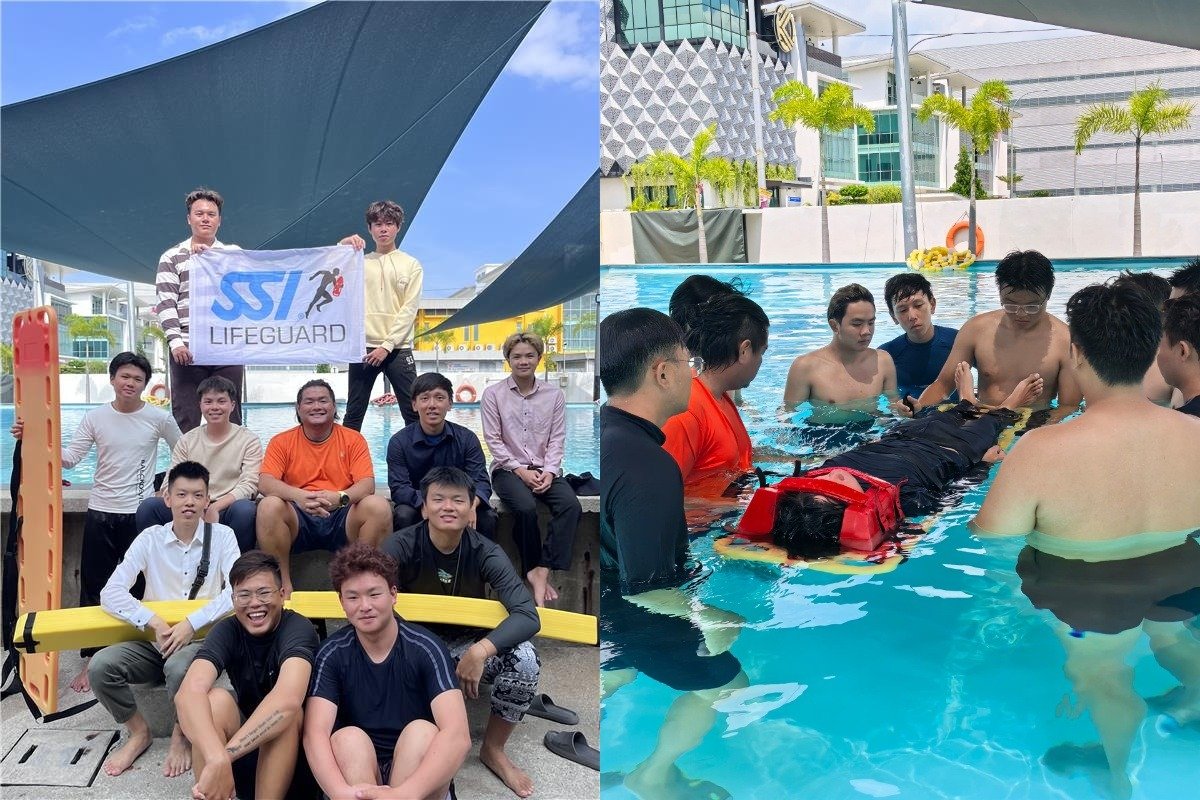
The course has both land lessons and in-water practice. Students learn rescue breathing and how to use rescue gear the right way. They learn how to help a swimmer in trouble without putting themselves at risk. Training puts focus on working as a team when many people need help.
2. Real-Life Practice
Teachers set up fake emergencies to test how students think under stress. Students practice pulling out a person who is not moving while keeping the spine safe. These drills build habits that prove key in real emergencies. Doing them over and over makes the skills stick.
Skills You Learn in a Lifeguard Course
Students gain a wide set of skills that go beyond just being a good swimmer. They learn many rescue moves for different water types and swimmer states. They learn to spot the signs of drowning, which often look nothing like in the movies. First aid training covers small cuts and big injuries alike. Spine injury training teaches safe moves that stop more harm when pulling someone out. Talking skills help lifeguards give clear orders and work with emergency teams.
1. Rescue Moves
Students practice swim approaches, getting a person from under the water, and pulling them out. They learn to use rescue tubes, backboards, and other gear the right way. Training covers both shallow and deep water rescues.
2. Emergency Plans
Students learn the steps for calling 911 and managing the scene of an incident. They learn how to keep crowds back to protect both the victim and those nearby. They also learn how to write down what happened after an incident.
Who Can Become a Lifeguard
Those who want to be lifeguards must meet some basic needs before they can sign up. Most courses require students to be at least eighteen years old when they start. Good swim skills are the base for lifeguarding. Students must show they can swim different strokes and go the distance. Being in good shape helps them handle the tough work of rescues and training. Meeting these needs helps them finish the lifeguard training course successfully.
1. Swim Tests
Students must swim a set distance to show they have the stamina and skill. They must tread water for a set time without using their hands. Underwater swim tests check how long they can hold their breath and how they feel in deep water.
2. Physical Fitness Needs
The training needs strong arms for pulling people out and handling gear. Good heart health helps them swim for a long time during rescues. Being limber helps them avoid injury during training and real rescues.
Types of Lifeguard Training Programs
Different water spots need special training for their own unique risks. Pool lifeguard programs focus on closed-in spots with clear views and safe edges. Beach and surf lifeguard courses cover waves, rip currents, and open water issues. Water park lifeguard training covers many rides and water depths. Some programs mix a few of these for a wider set of skills. Each kind gets students ready for the work they will do.
1. Pool Lifeguard
This program is for indoor and outdoor pools where things stay the same. Training covers rescues in both shallow and deep water with standard gear. Students learn to handle diving boards, slides, and other pool features. Getting certified lets them work at public pools, gyms, and hotels.
2. Beach and Surf Lifeguard
Open water programs deal with waves, currents, and sea life. Students learn to use rescue boards and jet skis to reach swimmers far out. Training covers how to get into the surf and swim against the current. Beach certs get them ready for coastlines and big bodies of water.
Lifeguard Course Length & Costs
Training times change based on the level of cert and the type of program. Basic lifeguard courses often run a few days of non-stop work. Programs that add CPR and first aid may take a bit longer. Part-time plans fit students and working folks who want to get certified. Lifeguard course costs cover the full training and the cert materials. Mixed learning puts some work online and some in person.
1. How Long Programs Take
Full-time courses pack training into back-to-back days for quick certs. Longer programs spread the work over weeks, so skills can grow. Recert courses are shorter for those who need to renew their papers.
2. What the Cost Covers
Fees often cover teaching, course papers, and the cert card. Gear use and pool access are part of the cost in most cases. Some employers will pay back the cost if you agree to work for them.
How to Get Lifeguard Certification
Getting certified follows a set path from training to final tests. Students start by picking a program that meets industry rules. They do all the work, covering both book learning and hands-on skills. They must pass written tests that show they know lifeguard rules. Hands-on tests check their rescue moves and how they handle emergencies. Those who pass get a card that is good for a set time.
1. Written Tests
Tests ask about water rescue rules, first aid, and legal duties. Students must show they know emergency plans and how to talk to others. Questions check what they know about spotting drowning and how to stop it.
2. Hands-On Tests
Teachers watch as students do rescues in mock emergency scenes. Students show they can use gear the right way and handle a person in trouble. Tests include giving CPR and treating injuries in made-up cases.
3. Keeping Your Cert Current
Certified lifeguards must renew their papers before they run out. Recert courses refresh their skills and teach new rules in the field. Training now and then keeps their rescue skills sharp.
4. Learning New Skills
Many lifeguards take more courses to add to what they know. First aid and emergency response training makes them even better at their job. Swimming instructor course papers let them teach as well as guard.
Job Options for Lifeguards
Certified lifeguards can work at many water spots and seasonal jobs. Public pools, rec centres, and private clubs hire guards all year. Beach patrol jobs are seasonal in coastal towns during the summer. Water parks need big teams of certified guards to keep things safe. Some guards move up to boss roles where they run safety programs. Swimming instructor course grads often teach and guard at the same time.
1. Where They Work
Town pools give steady work with set hours and benefits. Gyms and hotels hire guards for their pools. Summer camps need certified staff for their water fun. These jobs have regular hours and a set workspace.
2. Moving Up
Guards with time on the job can become water bosses who run safety and train new staff. Some teach private swimming lessons on the side. Others move into emergency medical work or other safety jobs.
3. Year-Round and Seasonal Work
Resorts hire guards all year for their inside and outside pools. Indoor water parks need staff no matter the season. Jobs on cruise ships and at resorts in other countries are out there, too.
4. Leading Others
Senior guards often help new staff learn the ropes and pitch in with training. Boss roles cover setting work times, taking care of gear, and running the pool. Management jobs include budgets and planning new programs.
Why Lifeguard Training Helps
The gains of a lifeguard cert go past just finding a job. Students build leadership skills that help in any line of work. The training builds trust in handling tough spots and high-stress times. Getting in shape boosts health and fitness a lot. Talking skills get better through working with all kinds of people. Lifeguarding gives a way to serve the town and help others grow.
1. Skills for Life
Students learn to keep their cool under stress while making fast calls. Being in charge of others’ safety builds a sense of duty and trust. Working as a team grows through drills and made-up emergency runs. These traits help in many fields.
2. Helping the Town
Certified lifeguards give key safety work that guards people in their town. Their being there lets families enjoy the water with no fear. Young swimmers look up to good role models who show what it means to be responsible. This work makes water spots safer for all.
3. Skills for Other Jobs
Emergency training fits many work spots beyond just the water. Talking and leading skills help in jobs where you manage people. Solving problems under stress gets you ready for high-stakes work. These skills stay with you for life.
4. Safety Know-How That Lasts
CPR and first aid skills help at home and in town. Water safety tips keep your loved ones safe when they swim. Being ready for emergencies goes beyond just working as a lifeguard. This know-how helps you throughout life.
Picking the Right Lifeguard Training Program
Picking the right program means looking at a few things before you sign up. Check that the program is okayed by the top water safety groups. Look at the teachers and their time spent in real-life lifeguarding. Check the pool and the gear they use for training. Look at the class times to see if they fit your other plans. Good picks lead to good training and passing the cert tests.
1. Checking the Program
Look for programs that are approved by national or local water safety groups. Okay, programs follow set plans and test rules. Certs from them matter to those who might hire you. This check makes sure the training is up to par.
2. Teacher Skills
Teachers who have worked in the field bring real tips to the class. Their hands-on know-how adds to the book learning with true tales. Good teachers keep their own certs up to date in lifeguarding and teaching. Such skill makes for good training.
3. Pool and Gear Standards
The training spot should have a clean, well-kept pool and gear. New rescue tools let you work with what is used in the field now. Good spots make for safe, sound learning. These things change how good the training is.
4. Word of Mouth
Look at what past students say about their training time. Good reviews show the teaching works and the skills are worth it. Stories of past students doing well show the program works. The name of the program matters when you pick one.